
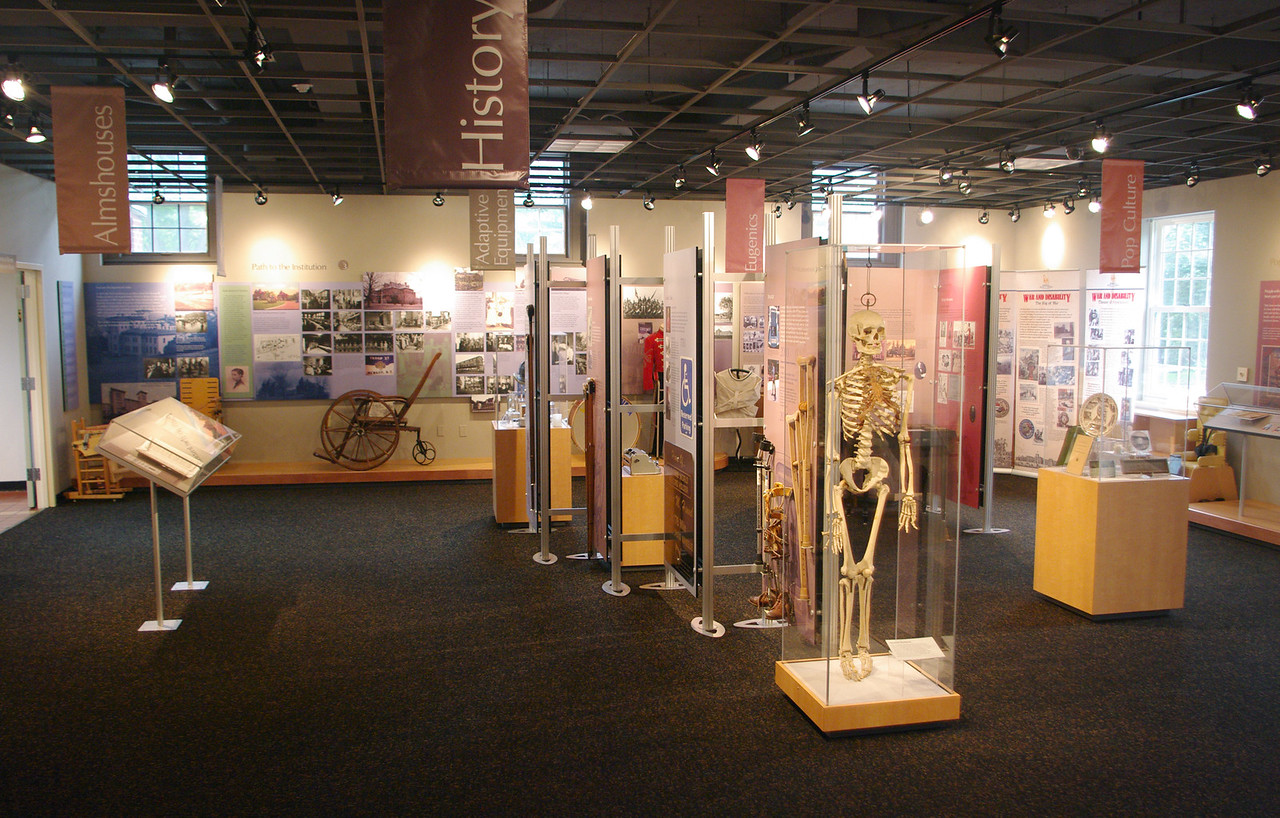
Self Advocacy Exhibit
Advocacy
Active support of an idea or cause, especially the act of pleading or arguing for something. Individuals, organizations, businesses, and governments can engage in advocacy.
Self Advocacy
Self-advocacy refers to an individual’s ability to effectively communicate, convey, negotiate or assert his or her own interests, desires, needs, and rights. It involves making informed decisions and taking responsibility for those decisions. (VanReusen et al., 1994)
Independent Living
Advocates define independent living: 1. A living arrangement that maximizes independence and self-determination, especially for people with disabilities. 2. A social movement asserting that people with disabilities should have the same civil rights and life choices as people without disabilities.
Click on any image to explore the virtual gallery.
1965
Autism
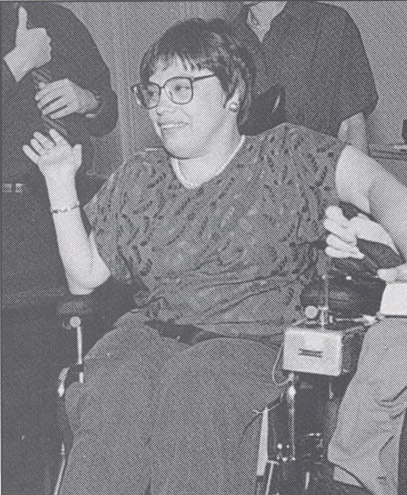
1970
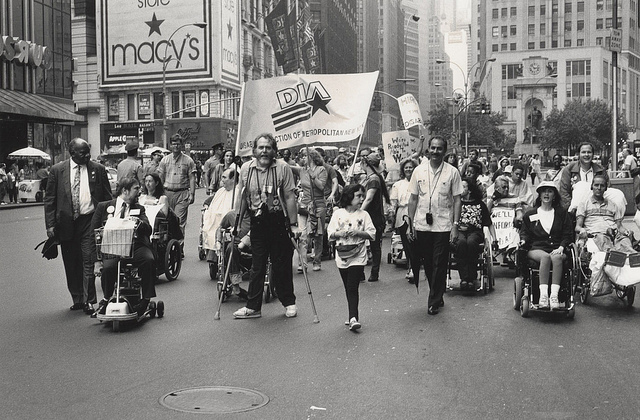
Disabled in Action
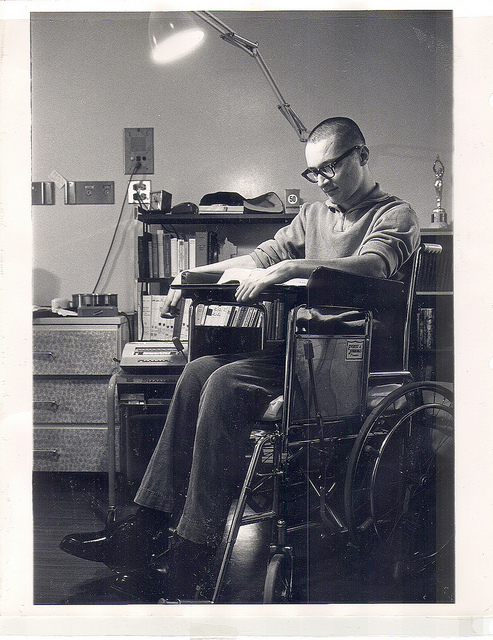
1970
Ed Roberts, John Hessler and others establish the Physically Disabled Student Program at the University of California at Berkeley.
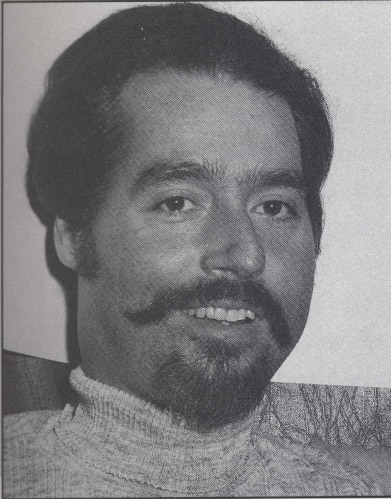
1972
Independence
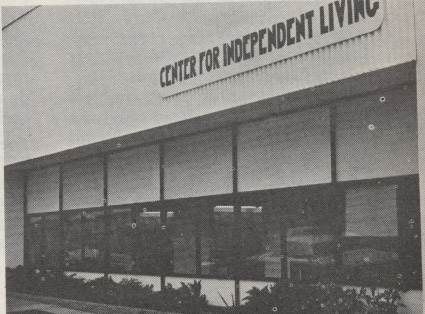
1972
The Center supports people with disabilities in their goal of living an independent life outside of institutions and nursing homes. This organization was founded by persons with disabilities.
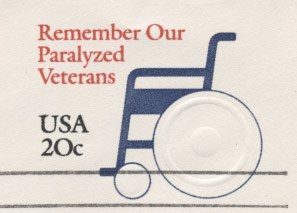
1972
Using the Courts
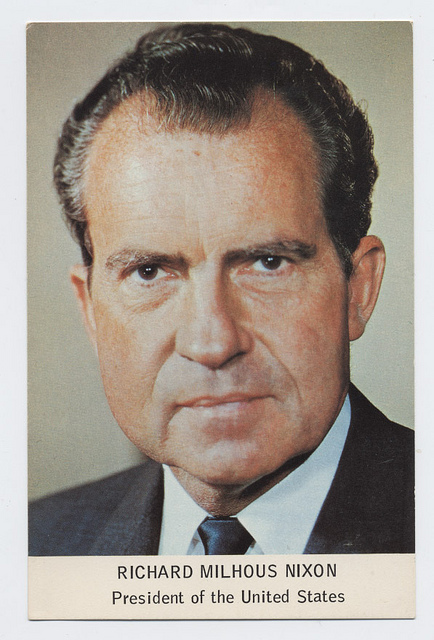
1973
Disabled in Action, National Paraplegia Foundation and other advocacy groups protest the veto of the Rehabilitation Act of 1973 by President Richard Nixon. The Act guarantees certain rights to Americans with disabilities while Section 504 of the Act is considered the first civil-rights legislation for workers with disabilities. Demonstrations are held in Washington, D.C.
1973
Citizens with Disabilities
1973
Self-Advocacy in America
1974
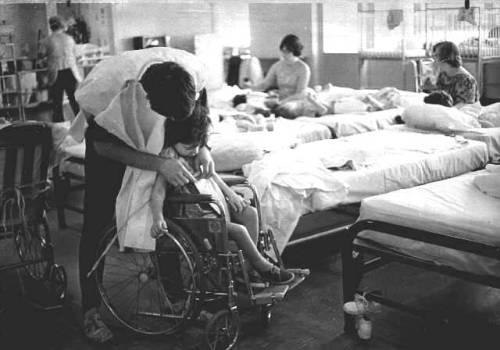
People First, the nations largest and first self-advocacy organization, was founded in 1974 by the five who attended the Canadian conference. People Firsts initial convention is held that same year in Salem, Oregon.
1968-69
Self-Advocacy Begins
1974
Accessible Living
1974
Accessible Living
1975
All Inclusive Self-Advocacy
1975
A Bill of Rights

Self-Advocacy
Self-advocacy refers to:
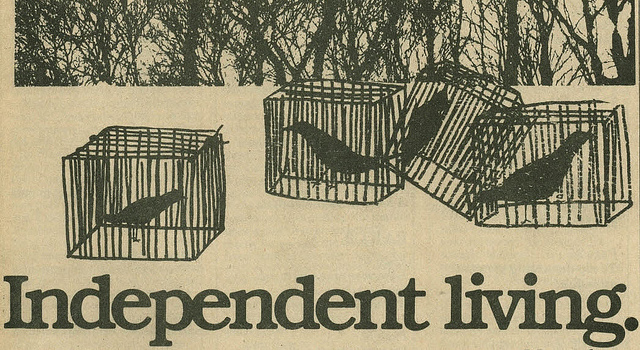
Independent Living
Advocates define independent living:
Advocacy
Active support of an idea or cause especially the act of pleading or arguing for something. Individuals, parents, organizations, businesses, and governments can engage in advocacy.
Self-Advocacy
The History of People with Disabilities Deciding for Themselves
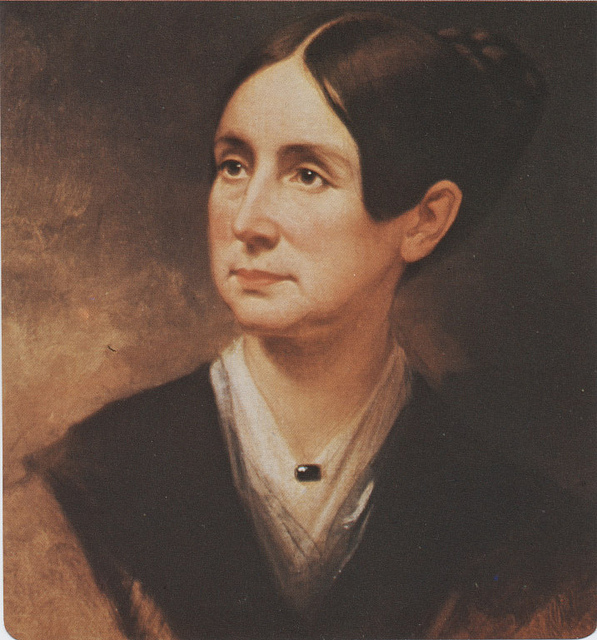
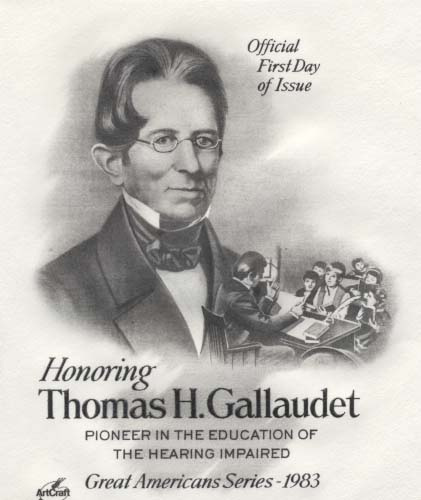
1841
Advocacy: The Beginnings
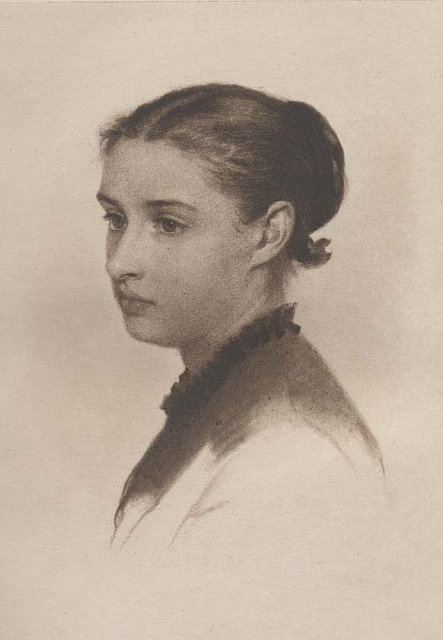
1870's
Josephine Shaw Lowell
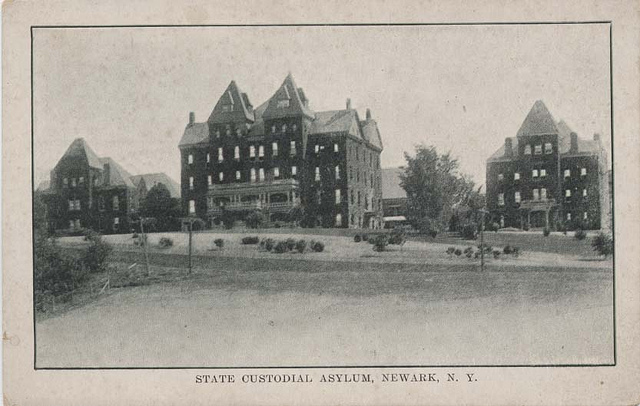
1870's Continued
Newark State School
1854
Early Self-Advocacy
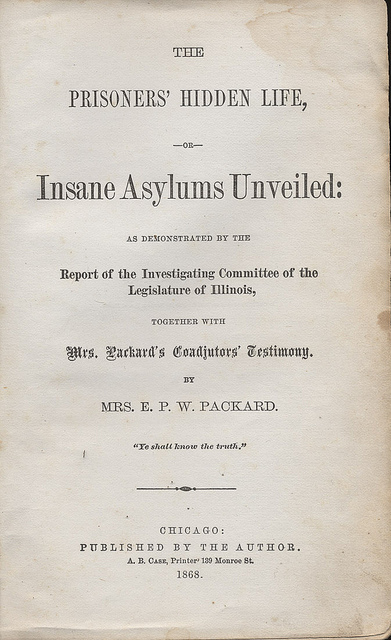
1868
Individual Advocacy
6628013637_72eb3c1312_z
6628013881_602972ca2a_z
6628014127_b623f5893c_z

6628014291_334e0d9227_z
6628014753_bc8fe4225b_z
6628015161_356a6d6e21_z
6628015281_32a3751e7a_z
6628015447_b8c3e09c03_z
6628016117_dc0665023f_z
6628016351_c531a6d5d6_z
1949
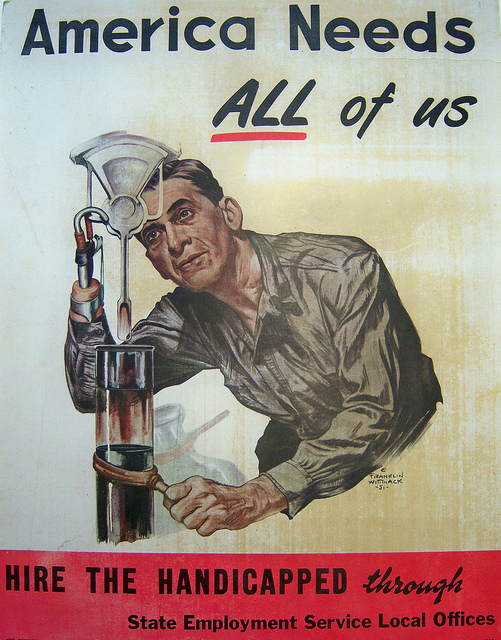
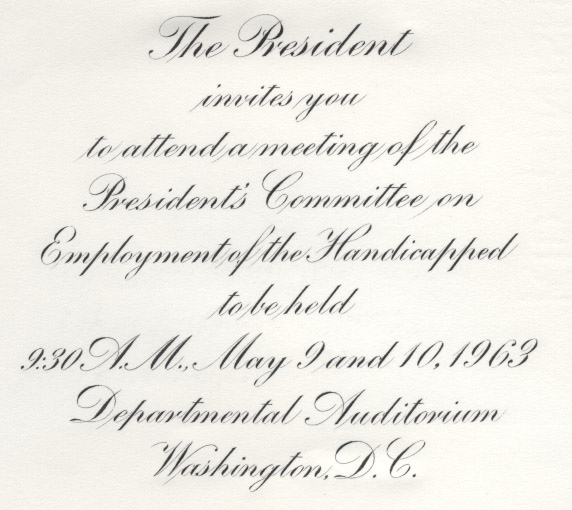
President Truman creates a Committee on Employment of the Handicapped. Executive order 10994 stated: The President's Committee shall facilitate the development of maximum employment opportunities for the physically and mentally handicapped.
6628016709_83c49311a2_z
6628016929_15e46a89a5_z
6628017463_647417f2b0_z
6628017689_25f6ddb2d6_z
6628017873_bbb27813e6_z
6628018021_457748d186_z
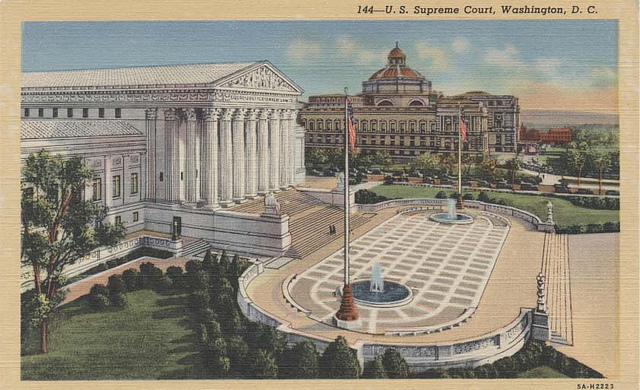
1954
Civil Rights
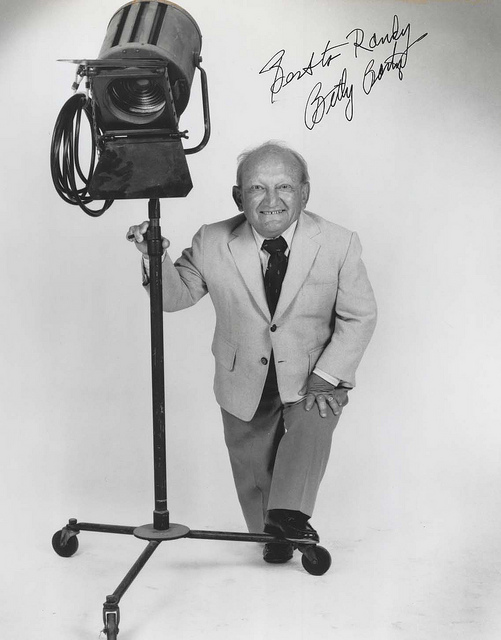
1957
Little People of America
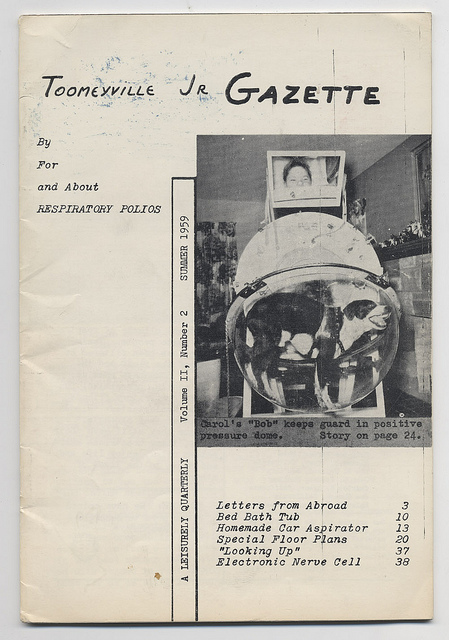
1958
Media Advocacy
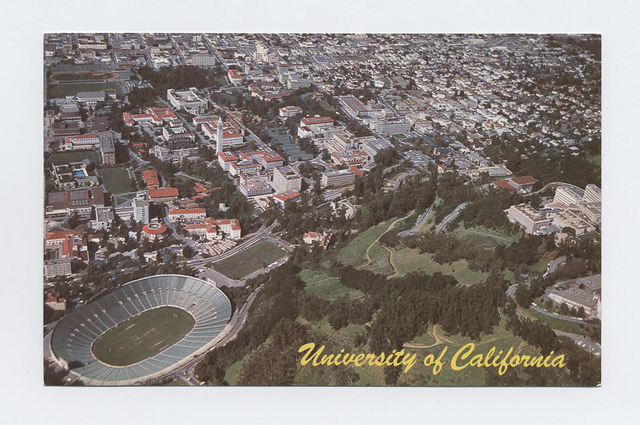
1962
Beginnings of a movement:
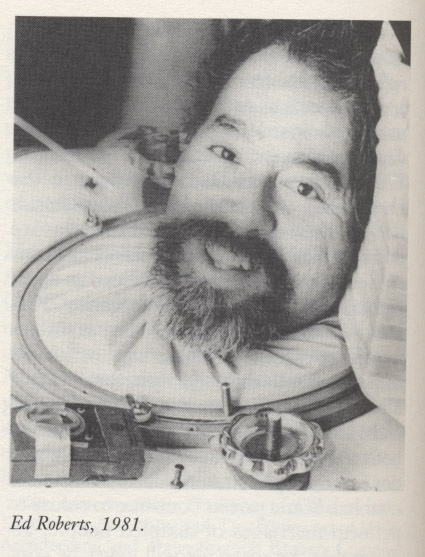
1962
Edward (Ed) V. Roberts enrolls at University of California at Berkeley. Roberts was the first student with severe disabilities to live on the University campus. He became politically active, advocating for disability rights and igniting the independent living movement.
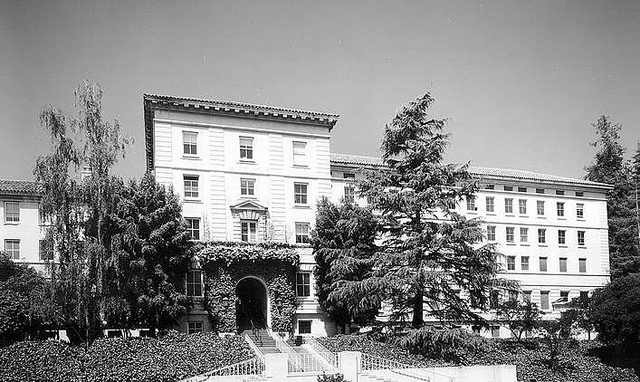
1963
John Hessler, Ed Roberts and others form the Rolling Quads at University of California, Berkeley advocating for access on the campus and surrounding community. The organization is formed by students living on campus at the University Hospital.
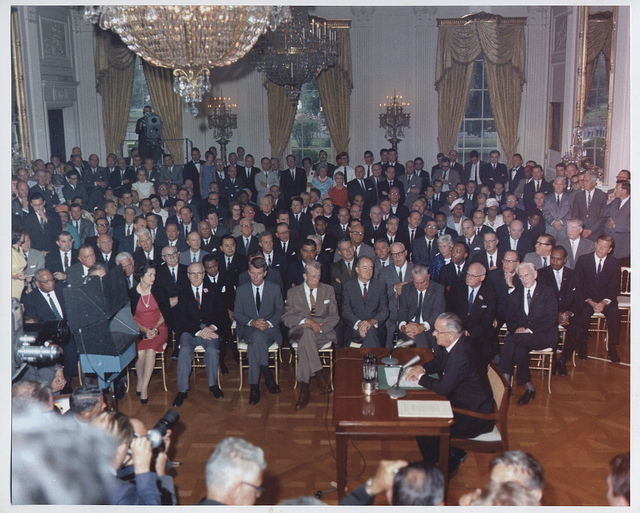
1964
Civil Rights Act
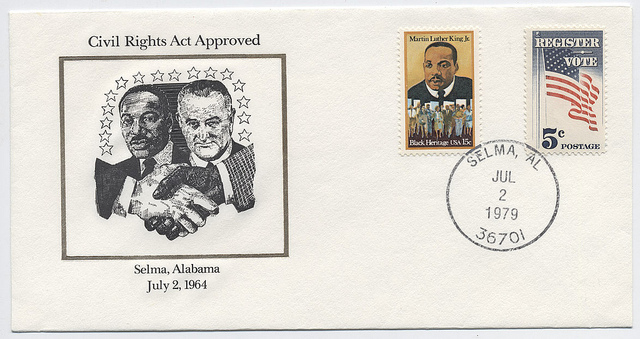
1964
Civil Rights Act
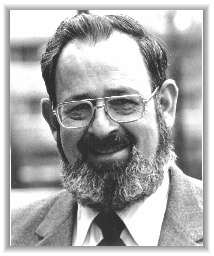
1965
Autism
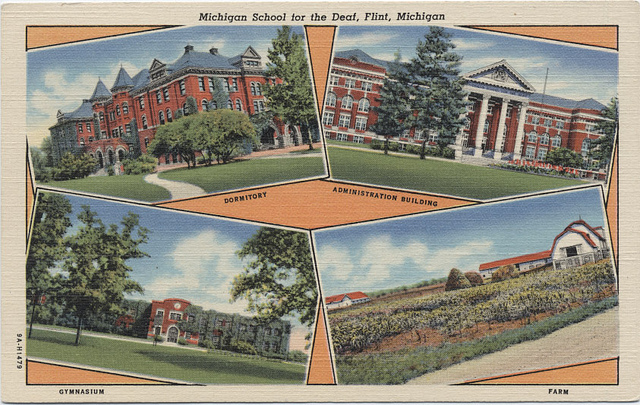
1901
NFDS
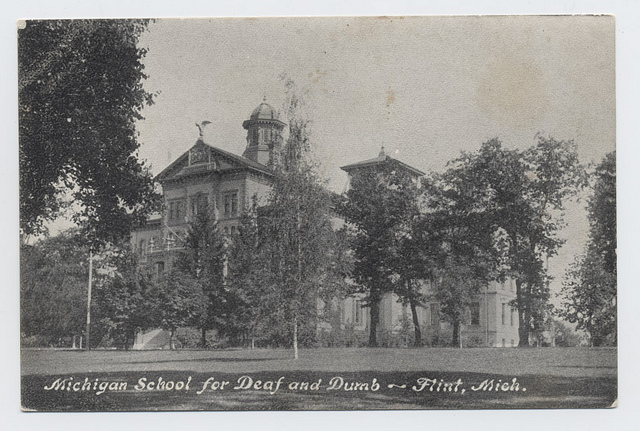
1901
NFDS
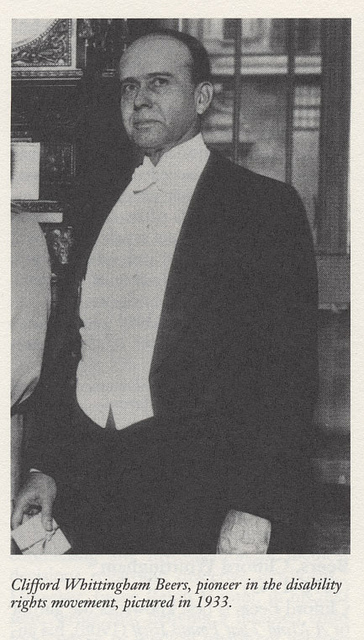
1908
A Mind That Found Itself

1908
A Mind That Found Itself
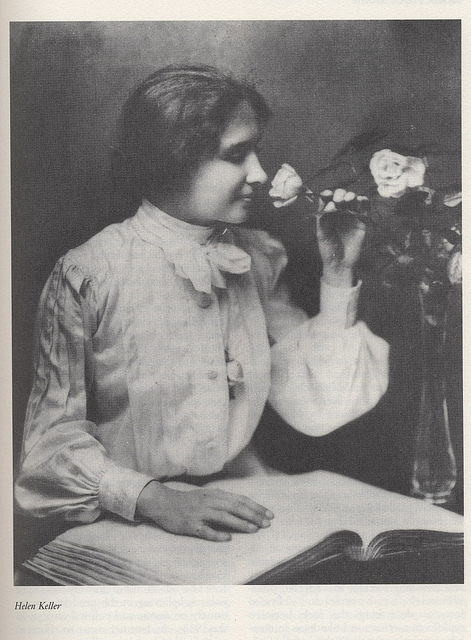
1921
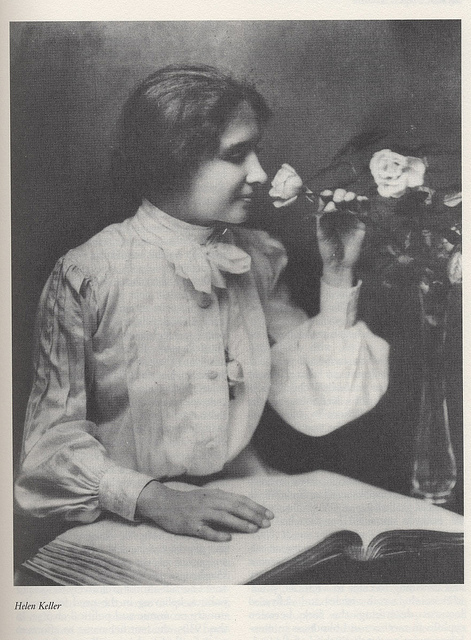
Helen Keller
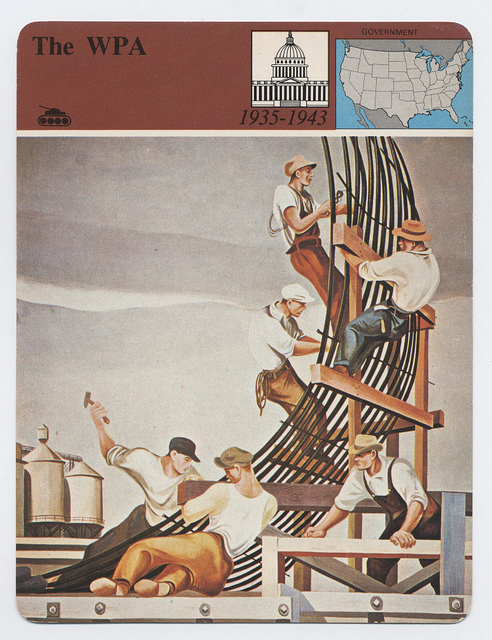
1935
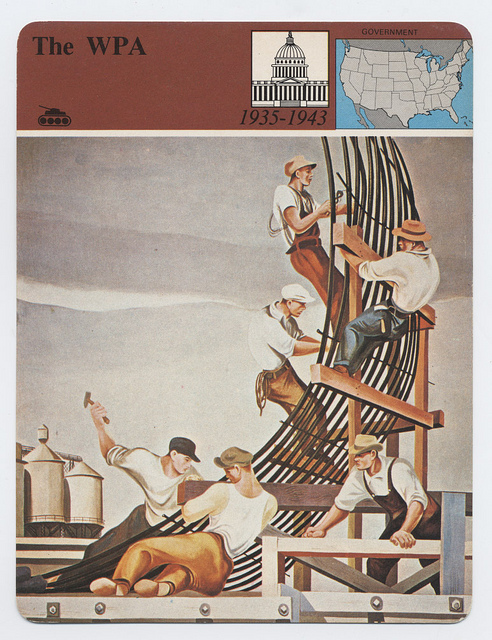
Employment The League of the Physically Handicapped is founded in New York City. The League protests discrimination against people with disabilities in federal works programs such as the Works Progress Administration. They use sit-ins, picket lines and demonstrations to draw attention to their cause.
1940
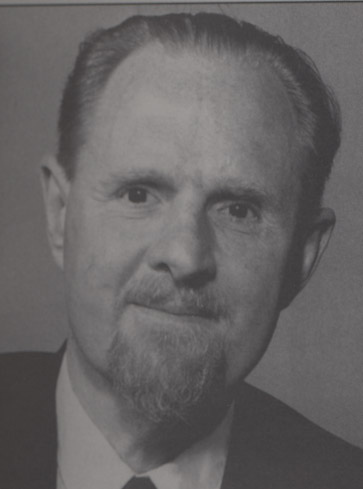
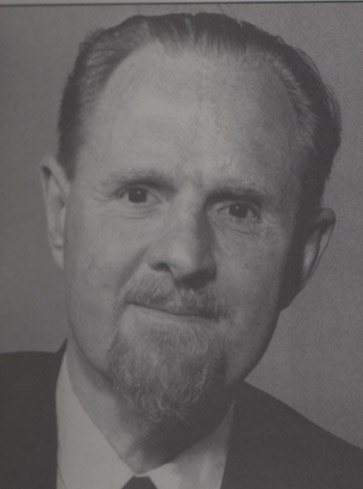
American Federation of the Physically Handicapped is formed by Paul Strachan. The Federation advocates to end job discrimination against people with physical disabilities and for the establishment of a National Employ the Handicapped Week.
1940
National Federation of the Blind
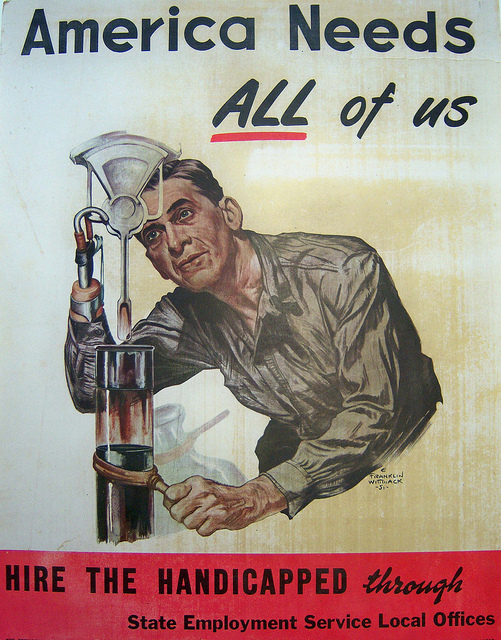
1945
National Employ the Handicapped Week
1946
United Cerebral Palsy Association
1946
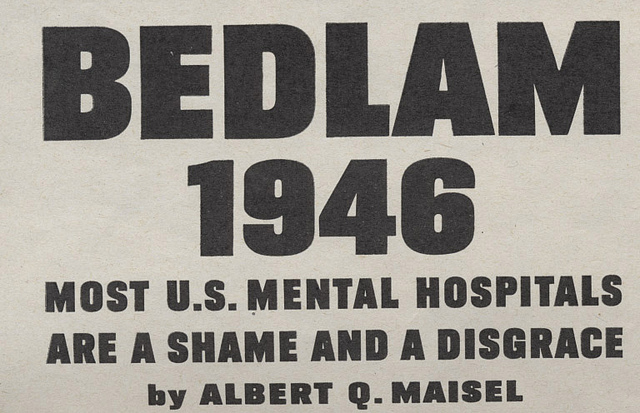
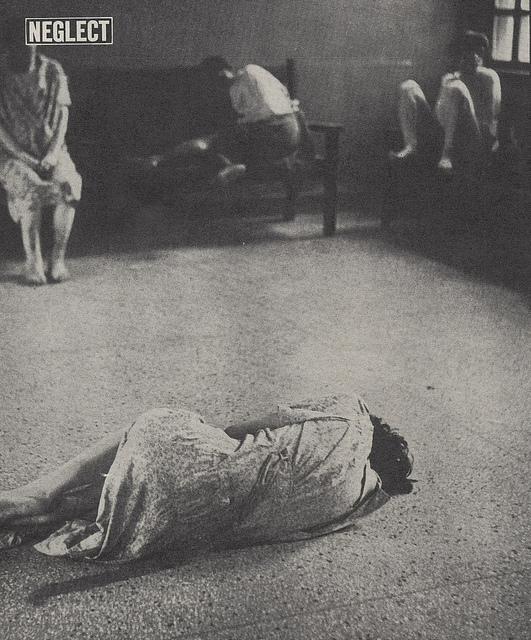
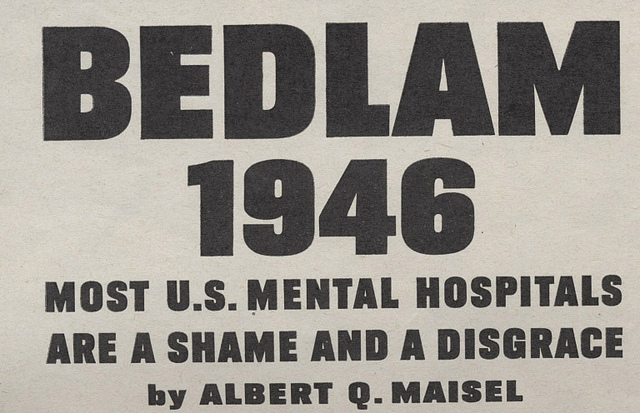
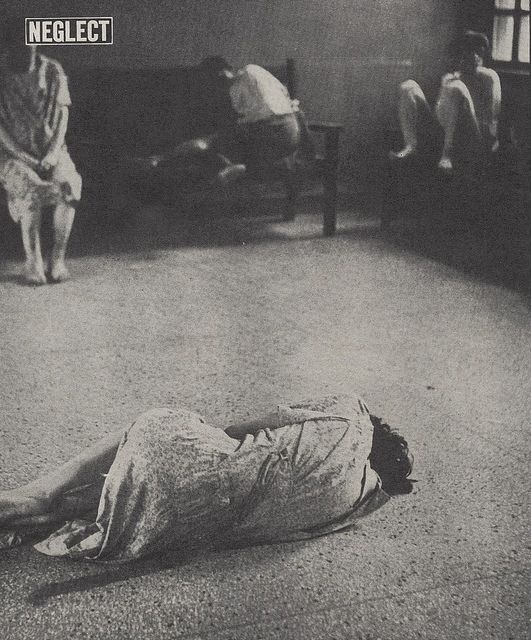
National Mental Health Foundation The National Mental Health Foundation is established by employees in mental institutions to reveal the bad treatment of residents. In conjunction with an advocacy campaign to change the public’s thoughts on mental illness, the organization waited for the publication of the article “Bedlam 1946: Most U.S. Mental Hospitals are a Shame and Disgrace” in Life Magazine in the May 6, 1946 issue.
1946
National Mental Health Foundation
1947
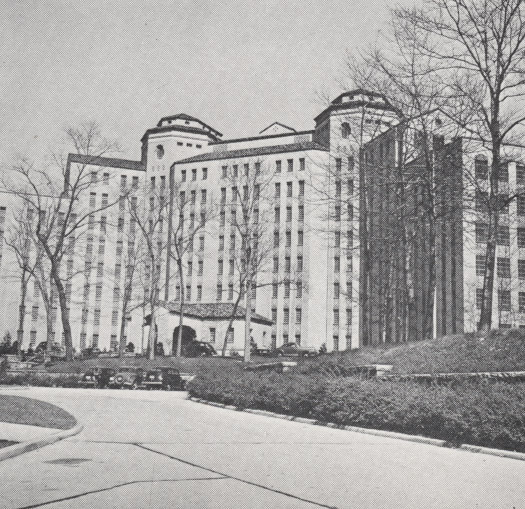
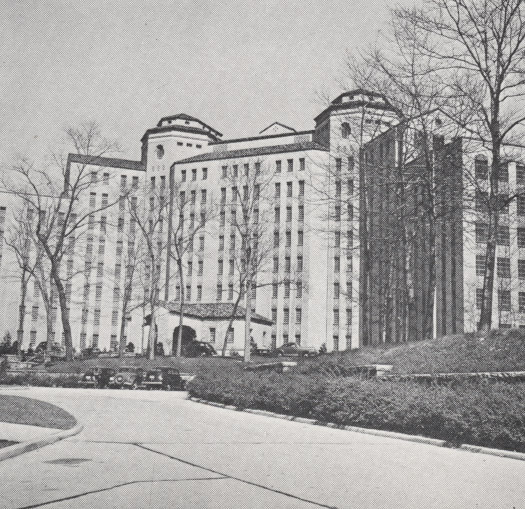
Veteran Advocacy
1948
Self-Help
1948
The Civilian Arm
1949
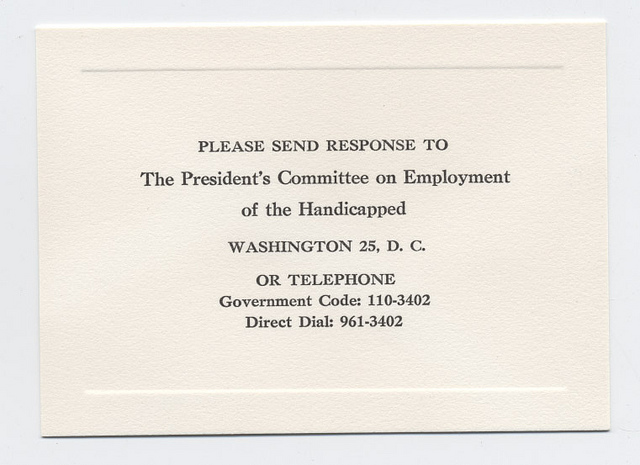
President Truman creates a Committee on Employment of the Handicapped. Executive order 10994 stated: The President's Committee shall facilitate the development of maximum employment opportunities for the physically and mentally handicapped.